
How Hormones Impact Your Pet’s Health
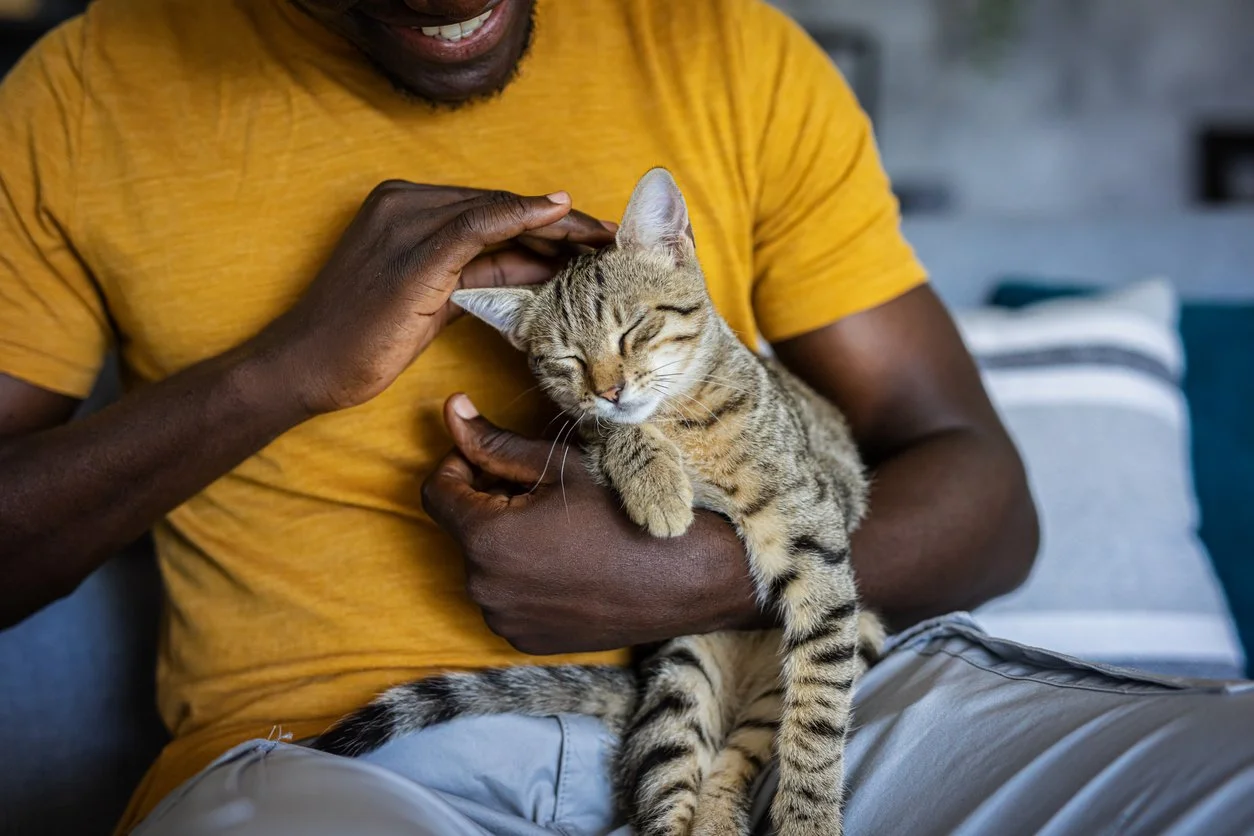
If you've ever watched your dog drink water like they're preparing for a desert crossing or noticed your cat hollering at all hours despite being well-fed, hormonal disturbances might be the invisible culprit.
The study of hormones is called endocrinology, and it's one of the most fascinating corners of veterinary medicine: the same tiny molecules that cause some of the most common diseases in pets are also the key to treating them. Hormones are chemical messengers produced by glands throughout the body that are released into the bloodstream. They are responsible for regulating everything from metabolism and energy to mood and weight. We can't see them, but when they fall out of balance, the effects are hard to miss.
The good news for you and your furry friends is this: most hormonal conditions are very manageable. They can even be diagnosed with advanced bloodwork assays performed during a house call!
The Adrenal Glands: When Stress Hormones Go Wrong
The adrenal glands sit just above the kidneys, and one of their many jobs is to produce just the right amount of cortisol, which most of us know as the "stress hormone." Too much or too little, and things go sideways quickly.
Cushing's Syndrome (Hypercortisolism) is the result of too much cortisol, and it's one of the most recognizable hormonal conditions in dogs. Classic signs include drinking excessive amounts of water, panting and anxiety, a sway-backed posture with a distended belly, and exophthalmos, or bulging eyes. Here's an interesting fact: in most dogs, Cushing's is actually caused by a tiny but non-cancerous tumor in the brain's pituitary gland, not the adrenal gland itself.
At the other end of the spectrum, Addison's Disease (Primary Hypocortisolism) occurs when the adrenal glands don't produce enough cortisol. It's sometimes called the "great pretender" because its symptoms, GI upset, lethargy, and general malaise, can mimic many other diseases. It tends to affect middle-aged female dogs and is often diagnosed only after other conditions have been ruled out.
There's also a very intriguing growth called a pheochromocytoma, which is an adrenal tumor that triggers episodic bursts of adrenaline. Unlike most hormonal diseases, which develop slowly and are managed over months or years, this one can be sudden and severe, presenting with panic-like episodes, flushed skin, a racing heart, and high blood pressure. It's the dramatic exception in an otherwise slow-moving field.
The Thyroid: Energy Regulation Gone Awry
The thyroid gland’s main job is to control metabolism, and imbalances tend to look very different depending on whether your pet is a dog or a cat.
Hypothyroidism, or too little thyroid hormone, is common in dogs, particularly Golden Retrievers. Affected dogs tend to gain weight without explanation, move through life with low energy, and develop a characteristic wrinkled brow that veterinarians affectionately call "tragic face."
In cats, there’s hyperthyroidism, or too much thyroid hormone. The classic picture is a senior cat who is ravenously hungry yet losing weight, vocalizing loudly and often. Options for managing this condition include daily medication, a topical cream, or a targeted but safe radiation treatment to the thyroid gland itself.
The Pancreas: Sugar and Insulin
The pancreas produces insulin, the hormone that allows the body to use sugar for energy. When it doesn't produce enough, or when the body stops responding to it, that’s where we get diabetes.
Diabetes in dogs closely resembles Type I diabetes in people: the pancreas simply isn't producing enough insulin. Signs are the same as in people and include increased thirst, urinary accidents, weight loss despite a healthy appetite, UTIs, and cataracts.
Diabetes in cats is more like Type II diabetes in people — it’s closely tied to obesity and insulin resistance. The common underlying culprit is a condition called acromegaly, where excess growth hormone causes enlargement of the paws and a broader, more lion-like facial structure. Interestingly enough, cats can go into remission from diabetes with the right management! No fear, both forms are manageable with the right plan in place.
What This Means for Your Pet
Dr. Olson thinks that hormones and medications are the closest thing we have to magic: invisible chemical messengers, impossible to see with the naked eye, that have been causing and curing the most common diseases in people and animals throughout history.
Hormonal diseases share a few things in common: they develop gradually, their symptoms can be easy to dismiss early on, and they respond very well to treatment when uncovered. It's rewarding to see a dog with Cushing's bounce back after treatment, or a hyperthyroid cat settle into a calm, more comfortable senior life. Many of the diagnostics that once required a specialist referral and days of waiting can now be run during a house call, with results in as little as 20 minutes.
If your pet has been drinking more water than usual, gaining or losing weight without a clear cause, or just seems "off" in ways that are hard to pinpoint, a hormonal condition may be worth exploring!
Schedule an appointment with us to talk through what you're seeing and get answers without leaving home.